


Welcome to Edition #42. This week we’re talking about the funding upswing this year in India’s electric mobility segment; IPO runs by PE-VC backed companies, quick round-up of the notable deals from the week, and a new bar you should check out in Hyderabad.
New to the The Runway? Subscribe for a comprehensive view of the deals, strategies and people shaping private equity and venture capital in India every week. Find us on LinkedIn and WhatsApp if you want to keep track of updates on future editions.
Lead
What River Mobility’s $120M Raise Says About India’s EV Market
The first time I found myself in an electric vehicle was in 2002. This was the Reva. It was smaller than an autorickshaw and could barely fit two fully grown adults. I remember fretting about the battery dying in the middle of the Western Express Highway’s rotting evening traffic. The other enduring memory is the curious looks from fellow road users.
Electric mobility has accumulated a lot of miles on the odo since then. Today, if you want to go electric, you’re fairly spoilt for choice. The ecosystem, from vehicles to charging infrastructure, has expanded rapidly over the past few years, fuelled to a great extent by private capital. Investor interest in the space has been on an upswing this year with 14-odd companies across the spectrum raising nearly $700 million so far (Source: The Runway Deals Tracker).
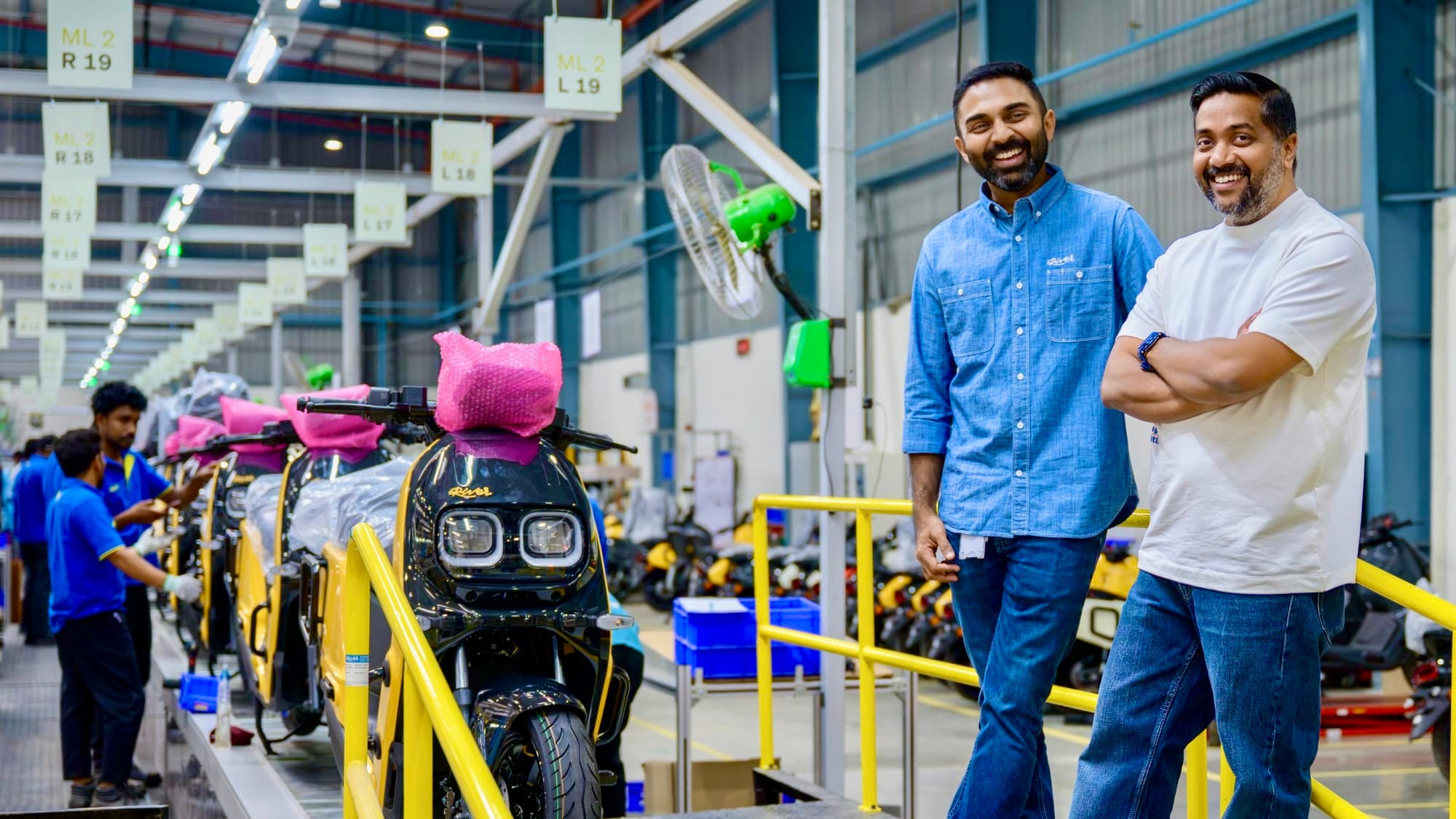
This week, Bangalore-based River Mobility scooped up a $120 million Series C cheque, led by Elev8 Venture Partners and Claypond Capital, Manipal chair Ranjan Pai’s family investment vehicle. They join a crowded cap table that already includes Yamaha Motor Co, Al-Futtaim Group, Toyota Ventures, Mitsui & Co and Lowercarbon Capital.
Yamaha, Al-Futtaim Group and Mitsui & Co were return investors in the latest round, while Singularity AMC, Anicut Capital, 360 One Asset, JIF Capital (earlier JAFCO Asia) and HDFC AMC got on board as new investors. Roughly 80% of the round is equity capital while the balance came from venture lenders Alteria Capital, Innoven Capital and Stride Ventures.
The deal marks Elev8’s first electric mobility bet from its debut fund, which closed at $160 million last September. Though primarily a technology growth-stage investor, managing partner Navin Honagudi said the firm is “category-agnostic enough to lean into a strong theme when the tailwinds and the asset both line up.”
While the adoption of electric vehicles, both cars and bikes, has been gathering momentum for a few years, there’s been a big shift this year in consumer sentiments on account of the ongoing West Asia conflict which has driven up fuel prices.
Growth, Honagudi added, has moderated from the earlier subsidy-driven spikes into a more stable, demand-led phase. “It’s (electric mobility) one of the clearest structural growth stories in India,” he said in an email, pointing to the 22% year-on-year increase in electric two-wheeler registrations to 1.4 million units at the close of FY2026 and sales accelerating further in the current financial year.
So what makes River Mobility, founded about six years ago, special enough to corner one of the largest funding rounds this year in the electric mobility segment?
To begin with, the company has taken its time designing its first product, the Indie, specifically for the Indian market. The 14 inch alloy wheels to navigate potholes and rumble strips, 55 liters of lockable storage, the front-foot pegs, and a flat floorbed wide enough for a heavy goods (or a pet), are some of its practical features. “They’re not in a hurry to roll out multiple variants. Very similar to the way Ather Energy was built,” says automotive journalist Amaan Ahmed* who test rode the scooter in 2023 when it launched.
The big validation came in 2024 when Yamaha Motor Co led a $40 million Series B round in the company – the Japanese two-wheeler giant’s first-ever investment in an Indian startup. But, Yamaha didn’t stop there. “The EC-06, Yamaha’s first electric scooter for India, has been made by River Mobility and is based on the Indie. Being a Yamaha, it can’t be practical (from a design standpoint), so they’ve made it more about style,” Ahmed says. Read his detailed review of the EC-06.
The utility-first product differentiation is what resonated with Elev8. “That product strength shows up in the numbers. It’s a Top-7 electric two-wheeler brand nationally despite operating far fewer retail outlets than the incumbents,” Honagudi said. The company’s monthly sales recently touched 5,000 units. Following the Series C round, it aims to go from 75 outlets to 350 by March 2028, according to a statement.
The challenges ahead, though, are significant. River Mobility comes in as the seventh largest national electric two-wheeler brand by monthly sales behind players such as TVS Motors, Bajaj Auto, Ather Energy and Hero MotorCorp. These companies have a head start in terms of brand recall and access to deep resources. “They’re (River) still playing catch-up. Electric two-wheeler penetration is low and the market will grow. But the established players have the resources to push prices down. Also, the Indie is not easily available everywhere in the country,” Ahmed says. The bulk of the company’s retail outlets are concentrated in the southern states.
That said, the company does have several deep-pocketed investors on its cap table. Coupled with the tailwinds currently driving the electric mobility market, capital isn’t likely to be a constraint for the company in the near-to-medium term. It’s going to need that comfort as competitors also bulk up on resources. Last month, publicly listed Ather Energy raised Rs 1,200 crore ($124 million) in a round led by existing investor Hero MotoCorp and another Rs 1,300 crore via a qualified institutional placement.
*Amaan Ahmed is an assistant editor at car&bike where he focuses on electric vehicles. He’s spent nearly a decade covering the country’s automotive sector for leading publications including BBC TopGear and FirstPost.
In other notable deals this week:
InRisk Labs raised a $27 million Series A led by Bessemer Venture Partners and Northpoint Capital. The Ahmedabad-based company leverages technology, including AI, to predict insurance risk and offers reinsurance solutions for natural calamities, market volatility and other extreme events.
KKR announced an agreement to acquire Swedish healthcare and diagnostic services provider Medicover AB’s hospital operations in India. The deal includes 24 multi-speciality hospitals and 4,800 beds across South and West India.
In sub-$5 million deals, concierge services startup Hulp raised $2.6 million in a seed round led by Sparrow Capital and BITKRAFT Ventures. Peer-to-peer marketplace for pre-owned products Vingo raised Rs 10 crore ($1 million) in a seed round led by India Quotient. Lithium batteries maker Adiabatic Technologies raised $0.8 million led by Malpani Ventures and Avinya Ventures.
Submit a deal for The Runway Briefing by replying to this email or write to us at hello@therunwaynews.com.
Second Lead
IPO Spotlight on Temasek Portfolio Cos
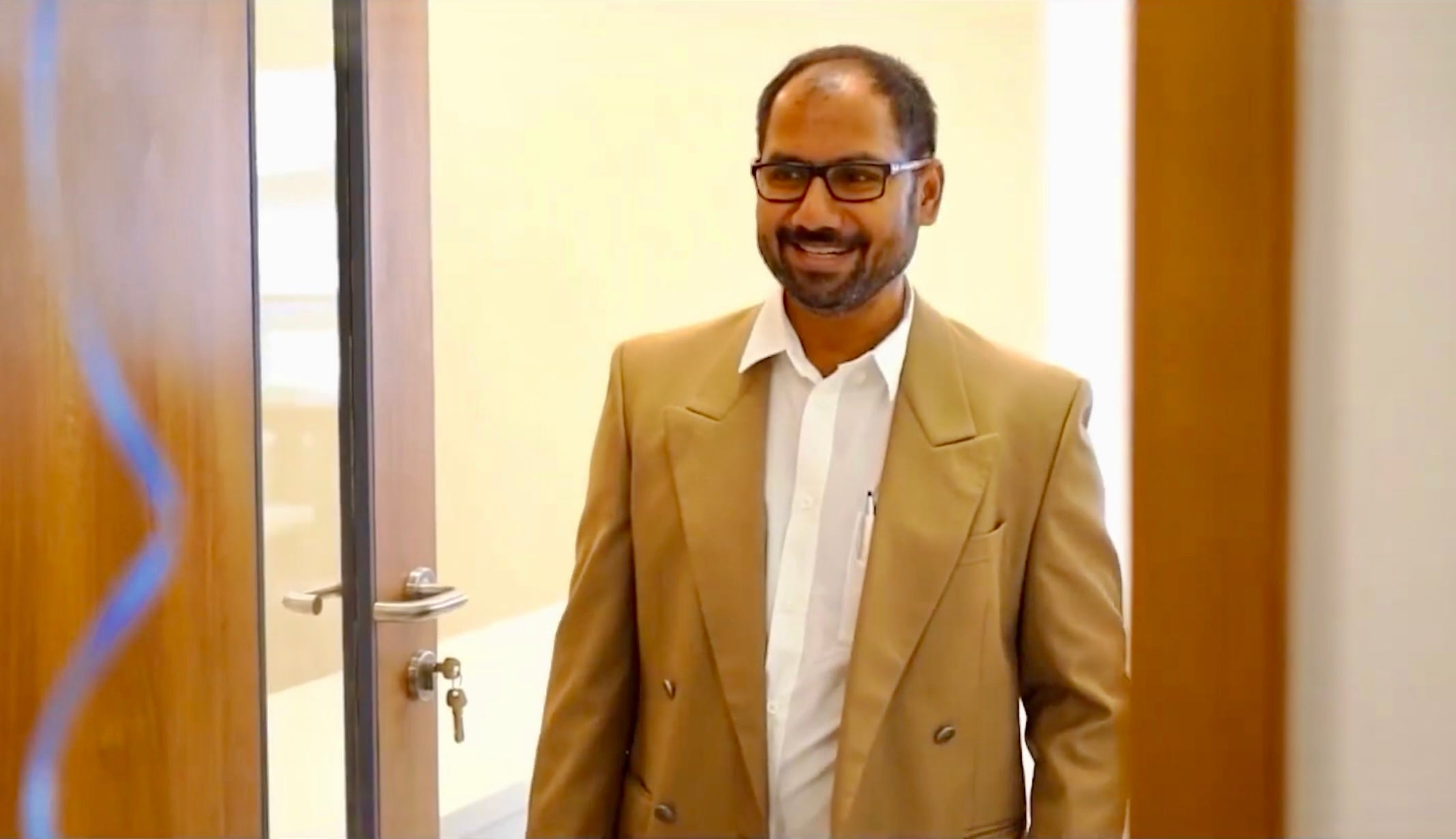
After Manipal Health Enterprises, two more Temasek Holdings-backed companies will test the public markets next week — dairy products company Milky Mist and ecommerce logistics platform Shiprocket. Both go to market with a smaller offering than originally planned.
Milky Mist’s initial public offering (IPO) is slated to open for subscription on August 11 after cutting the size of the offering by Rs 482 crore.
The reduction is on account of a pre-IPO deal with Temasek affiliate Jongsong Investments. The Singapore-based investor picked up a 5.16% stake in April this year through a Rs 357 crore primary investment and a Rs 125 crore secondary sale by promoters Sathishkumar T and Anitha S.
The IPO, set at a price band of Rs 133-140 a share, is aiming to raise Rs 1,553 crore, comprising a fresh issue worth Rs 1,428 crore and an offer-for-sale (OFS) of Rs 125 crore by the promoters.
Milky Mist started as a small milk trading centre in Erode, Tamil Nadu, over two decades ago and hadn’t raised any significant private capital till Temasek came along. Earlier in 2019, it raised Rs 19.5 crore from Anicut Capital. The company reported revenues from operations at Rs 3,138 crore for FY2026, against Rs 2,350 crore the previous year. Profit after tax stood at Rs 127 crore against Rs 46 crore in FY2025. A significant portion of the fresh issue proceeds will go towards repaying debt which stood at Rs 1390.72 crore as on May 2026.
Shiprocket is raising Rs 1,617 crore against an originally planned Rs 2,342 crore. The offering comprises a fresh issue worth Rs 885.5 crore and a Rs 731.99 crore OFS. The issue is slated to open on August 12 at a price band of Rs 92-97 a share. Among selling shareholders notable private equity and venture capital (PE-VC) sellers include Lightrock, Tribe Capital, March Capital and 500 Startups.
Bertelsmann India Investments, which was listed as a seller in the draft prospectus, is sitting it out. Temasek, which holds a 4.4% stake through its affiliate MacRitchie Investments, entered the company in late 2021 and is not a selling shareholder.
Founded in 2012, Delhi-based Shiprocket reported revenues from operations at Rs 2,024 crore for FY2026 against Rs 1,632 crore the previous year. It restated its losses at Rs 79.25 crore for the year.
Recco | Notes on Culture, Craft and the Considered Life
Hyderabad Gets The Bar it Deserves
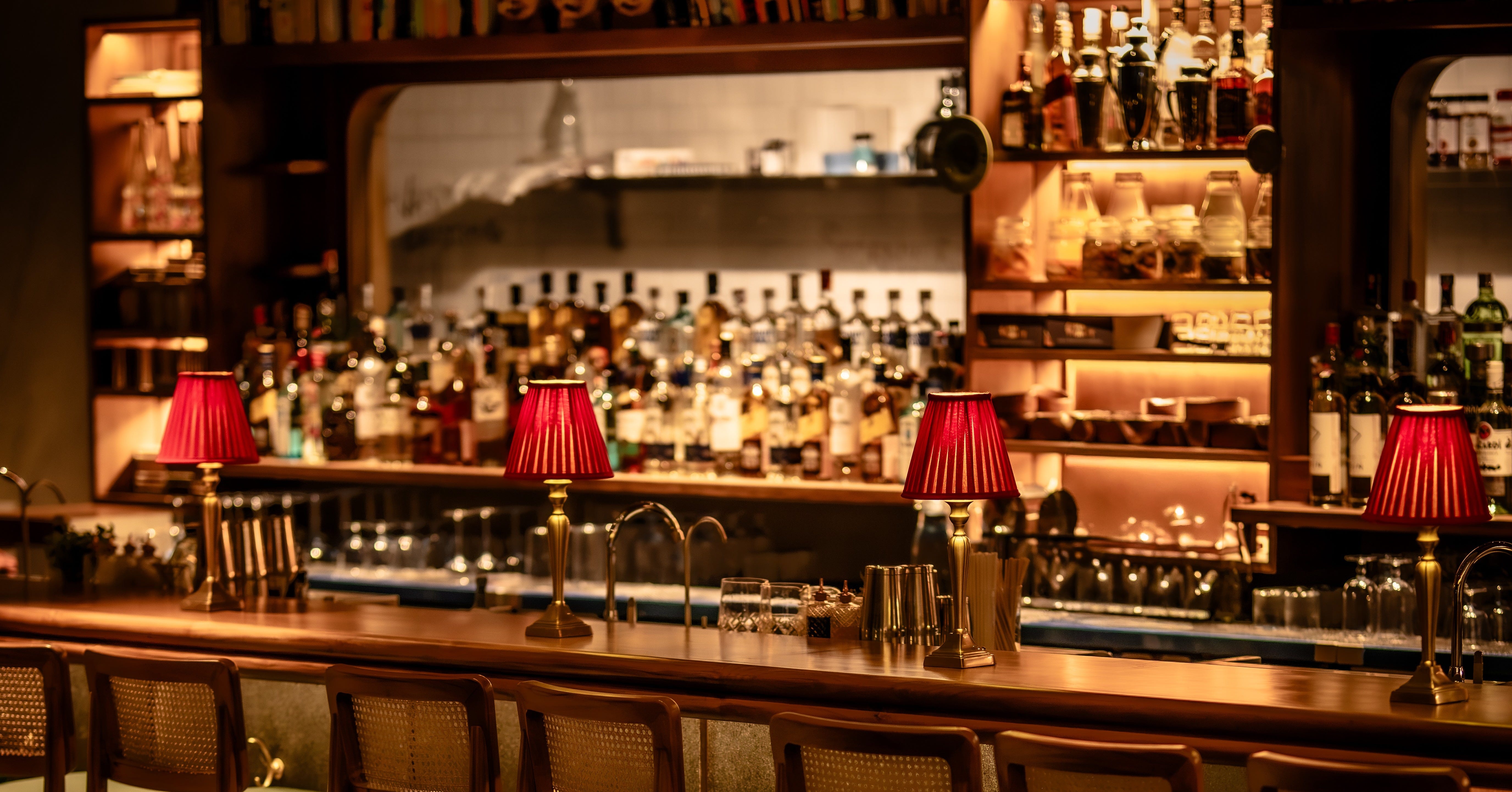
Planning a trip to Hyderabad? Don’t miss these two places: Theta Theta Telugu (T3) and Bar Stormy. One is a restaurant that reimagines Telugu cuisine with an assurance that is severely lacking in many of Mumbai’s much-hyped restaurants. The other, the more recent opening, is Bar Stormy, a new bar by Yangdup Lama, India’s most influential bartender.
Lama — and his business partner Minakshi Singh — are among the country’s most influential bar entrepreneurs. Over the last 15 years, they’ve built several highly rated bars, including Sidecar (Delhi), Cocktails & Dreams Speakeasy and The Brook (Gurgaon). At their core, these are all comfortable neighbourhood bars, and Bar Stormy, the duo’s first venture in South India, stays true to that template.
The bar takes its name from the classic Dark ‘n Stormy—a mix of dark rum, ginger beer and fresh lime juice — and the drinks menu draws heavily from Hyderabad and the wider region.
Stormy Signatures incorporates ingredients such as curry leaves, and there’s even a playful nod to the city’s iconic Osmania biscuit. We especially loved Stormy Shenanigans (gin, raspberry, blueberry and chilli tincture), while the Bone Marrow Nihari deserves a mention from the kitchen.
Bar Stormy sits in Hyderabad’s Financial District, home to many of the city’s largest technology companies, multinational firms and startup offices. It’s the sort of neighbourhood that comes alive after work rather than after dark—a natural fit for a bar built around conversation, good cocktails and regulars rather than loud music and one-night crowds.
Recco is a column by Murali K Menon. Murali has spent a career paying close attention to how things are made, where they come from, and why some of them endure. Every edition, one recommendation: a maker, an object, a place, a practice.
Thank you for reading The Runway. We’d love to get your feedback. Drop us a line at hello@therunwaynews.com or just reply to this email.